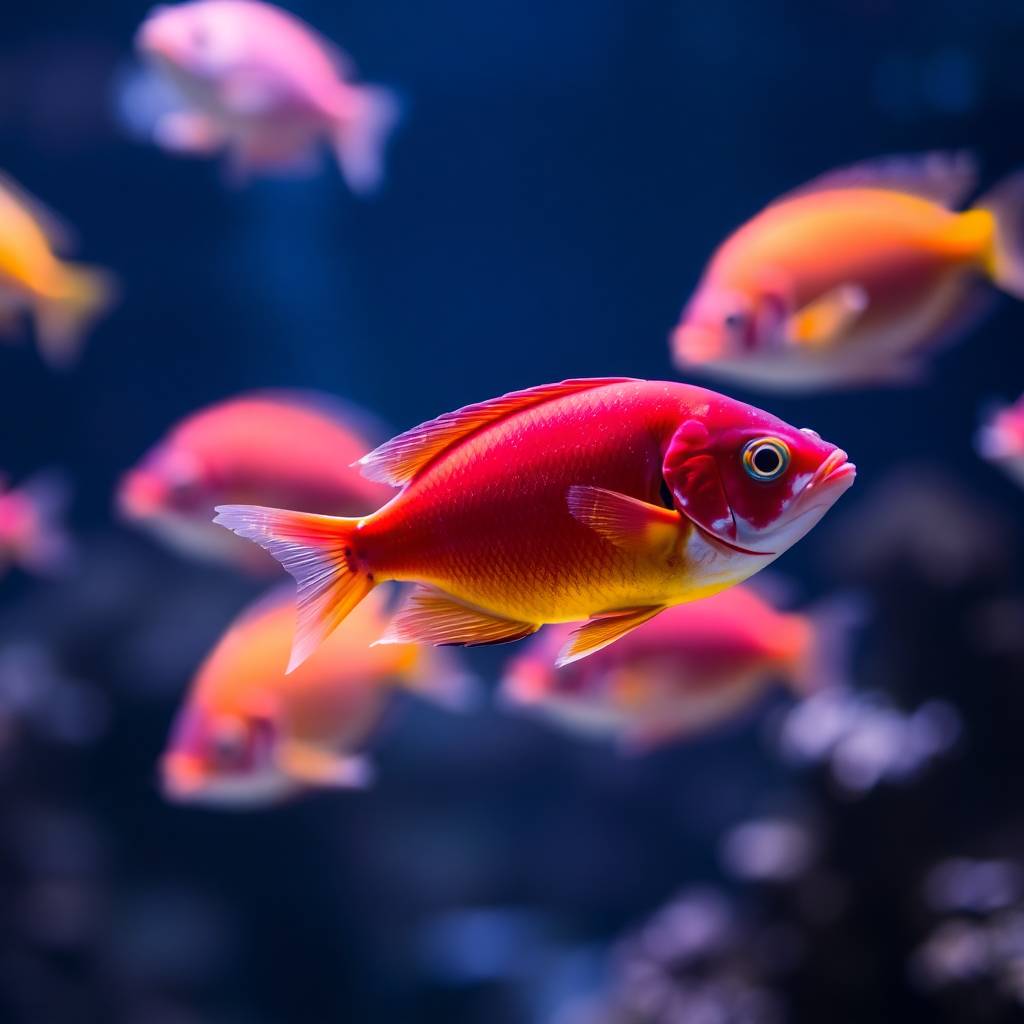
Bringing an aquarium into your home is like inviting a living piece of art into your space. Watching colorful fish glide through the water in a beautifully arranged tank is both calming and mesmerizing. But before you dive into fishkeeping, you need to understand the fundamentals of setting up an aquarium properly. Whether you’re looking to start with a simple freshwater setup or planning something more elaborate, this guide is your ultimate roadmap.
Step 1: Choose the Right Aquarium Size
The first decision to make is the size of your tank. Beginners often make the mistake of starting too small, thinking it’s easier to manage. In reality, smaller tanks are harder to maintain because water parameters fluctuate more rapidly.
Recommended Sizes for Beginners:
- 10-20 gallons: Suitable for small freshwater fish like guppies or tetras.
- 30-55 gallons: More room for a community tank with several fish species.
Larger tanks provide more stability and offer room for error, which is great for new hobbyists.
Step 2: Select a Location for Your Aquarium
Your aquarium should be placed on a flat, sturdy surface away from direct sunlight, drafts, or heating vents. Sunlight can promote unwanted algae growth, and temperature fluctuations can stress your fish.
Tips:
- Avoid placing it near doors or windows.
- Use an aquarium stand designed to hold the weight of a full tank.
- Make sure there’s an electrical outlet nearby for equipment.
Step 3: Choose Your Tank Type
There are two primary types of aquariums:
Freshwater Aquariums:
- Easier and less expensive to maintain.
- Ideal for beginners.
- Great for popular species like bettas, tetras, mollies, and goldfish.
Saltwater Aquariums:
- More complex and costly.
- Require careful monitoring of salinity and pH.
- Suitable for exotic marine species and corals.
Start with freshwater unless you’re confident and prepared for the added complexity of saltwater.
Step 4: Gather Your Equipment
Here’s a checklist of essential aquarium equipment:
- Aquarium Tank (glass or acrylic)
- Filter System (hang-on-back, sponge, or canister)
- Heater (for tropical fish)
- Lighting (LED or fluorescent based on plant or fish needs)
- Substrate (gravel, sand, or specialty substrate for planted tanks)
- Water Conditioner (to neutralize chlorine and heavy metals)
- Aquarium Thermometer
- Aquarium Test Kit (for ammonia, nitrite, nitrate, and pH levels)
- Air Pump and Air Stone (for oxygenation)
- Aquarium Lid or Hood (prevents fish from jumping out and reduces evaporation)
Optional:
- Aquatic plants
- Aquarium decorations
- Siphon or gravel vacuum
Step 5: Install the Substrate and Decorations
Wash the substrate thoroughly to remove dust and debris. Spread it evenly across the bottom of the tank. The depth should be around 1-2 inches.
Place your decorations and/or live plants in a way that allows fish to swim freely while also offering hiding spots.
Pro Tip:
Anchor plants or decorations securely so they don’t float or fall.
Step 6: Fill the Tank with Water
Place a plate or bowl on the substrate and slowly pour water over it to avoid disturbing the layout. Use room temperature, dechlorinated water.
Add a water conditioner to remove chlorine and chloramine. Fill the tank about 90% and top it off after equipment installation.
Step 7: Install and Test Equipment
- Filter: Set it up according to the manufacturer’s instructions and ensure water is flowing properly.
- Heater: Set the temperature between 74-78°F for most tropical fish.
- Lighting: Set timers to simulate natural day/night cycles (usually 8-12 hours of light).
- Air Pump: Connect to an air stone and place it where it won’t disturb your aquascape.
Let the system run for 24 hours to ensure everything is functioning.
Step 8: Cycle the Aquarium
Before adding any fish, the aquarium must go through the nitrogen cycle to establish beneficial bacteria that break down toxic ammonia into nitrite and then into less harmful nitrate.
How to Cycle:
- Fishless Cycling (recommended): Add ammonia or fish food to simulate waste.
- Test water every few days.
- Wait 3-6 weeks for ammonia and nitrite to drop to 0.
- Add a small number of hardy fish gradually.
Signs Your Tank Is Cycled:
- Ammonia: 0 ppm
- Nitrite: 0 ppm
- Nitrate: <40 ppm
Step 9: Choose the Right Fish
Research fish species that are compatible in terms of water conditions, temperament, and size.
Great Beginner Fish:
- Guppies
- Neon Tetras
- Corydoras Catfish
- Zebra Danios
- Platies
Avoid overstocking. A general rule is 1 inch of fish per gallon of water, but this varies with species.
Step 10: Acclimate and Introduce Fish
When your tank is fully cycled, and you’re ready to add fish:
- Float the sealed fish bag in the tank for 15-20 minutes to equalize temperature.
- Slowly add tank water to the bag over the next 15-30 minutes.
- Use a net to transfer fish into the tank (never pour store water into your aquarium).
Step 11: Regular Maintenance Routine
Keeping your aquarium clean and healthy is an ongoing process:
Weekly Tasks:
- Test water parameters.
- Perform 10-25% water changes.
- Clean substrate with a siphon.
- Check equipment functionality.
Monthly Tasks:
- Rinse filter media in tank water (not tap water).
- Trim live plants.
- Inspect fish for signs of illness.
Step 12: Monitor Fish Behavior and Health
Happy, healthy fish are active, have good coloration, and eat regularly.
Watch out for:
- Clamped fins
- Loss of appetite
- Erratic swimming
- White spots (ich)
Act promptly if you notice changes and consult a vet or aquatic specialist if needed.
Bonus Tips for a Thriving Aquarium
- Avoid overfeeding. Feed only what fish can consume in 2-3 minutes.
- Keep a log of water tests and maintenance.
- Quarantine new fish before adding them to your main tank.
- Name your fish and enjoy bonding with them!
Final Thoughts
Setting up an aquarium is more than just a hobby; it’s an experience that brings nature into your home and teaches responsibility, patience, and care. With the right setup and consistent maintenance, your fish tank can thrive for years. Dive in and enjoy the rewarding world of aquascaping and fishkeeping!
Ready to start your aquarium journey? Follow this guide and transform your living space into a vibrant aquatic oasis!