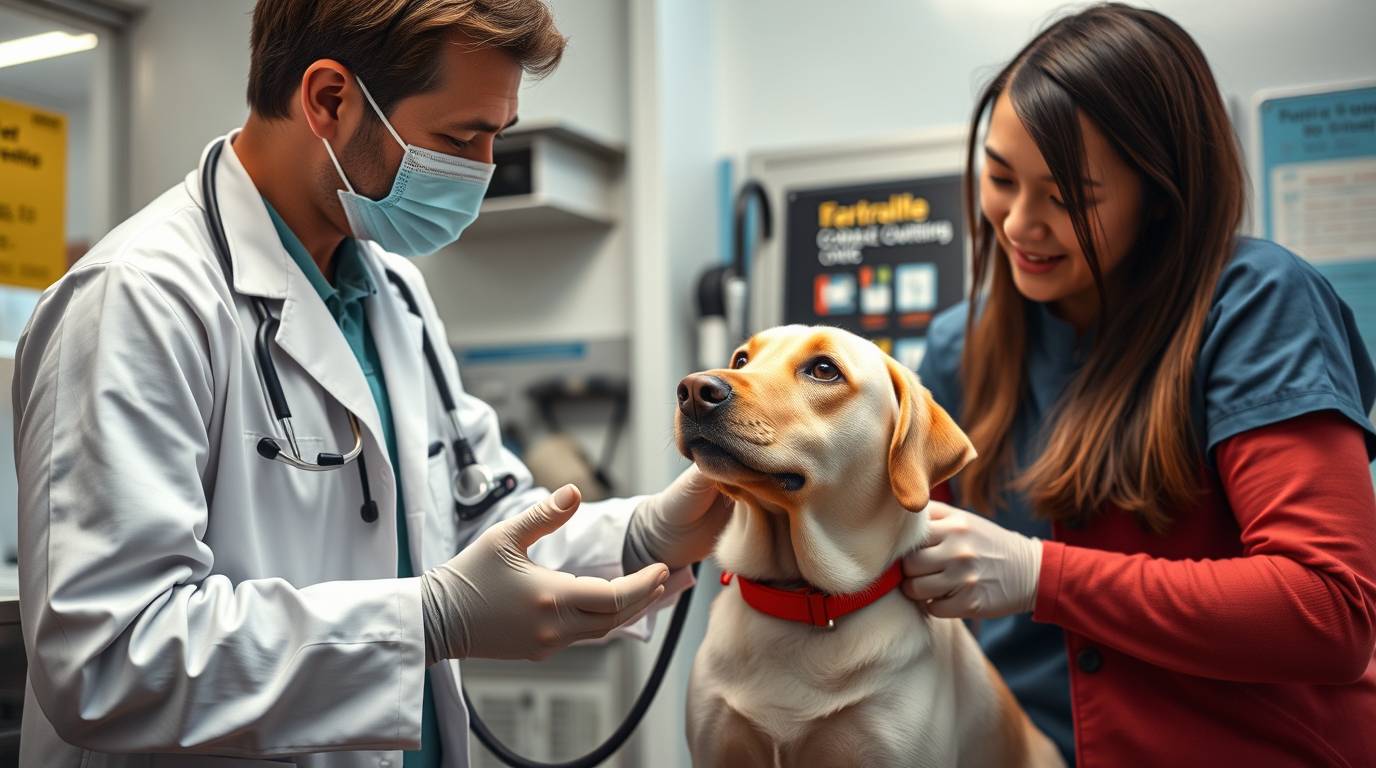
Choosing the right veterinarian for your dog is one of the most important decisions you’ll make as a pet parent. Just like we rely on doctors to guide us through health matters, our dogs depend on qualified, compassionate vets to keep them healthy and happy throughout their lives.
But with so many veterinary clinics, pet hospitals, and animal care providers available, the process can feel overwhelming. From qualifications and communication styles to emergency services and clinic culture, there are multiple factors to weigh before making your choice.
This comprehensive guide will help you confidently answer the question: How do I choose a vet for my dog?
Why Choosing the Right Vet Matters
Your veterinarian is your dog’s primary healthcare provider, responsible for everything from routine checkups to managing serious health concerns. A good vet will not only treat illnesses but will also provide:
- Preventive care through vaccinations and wellness exams
- Nutritional and behavioral advice
- Support during emergencies
- Compassionate care for chronic or aging conditions
Your dog can’t speak up if something doesn’t feel right — so it’s your responsibility to find a vet who will advocate for your dog’s well-being with both skill and empathy.
Step 1: Consider Your Dog’s Needs
Before you even start your search, take a moment to think about your dog’s unique needs. Different dogs may require different types of care.
Factors to Keep in Mind:
- Age: Puppies need more frequent visits for vaccinations and checkups, while senior dogs might need specialized care for joints, heart, or mobility.
- Breed: Some breeds are more prone to specific health issues. A vet experienced with your breed is a plus.
- Size: Giant breeds may need different facilities or equipment than toy breeds.
- Behavior: Nervous, aggressive, or anxious dogs may benefit from a clinic that offers fear-free or low-stress handling practices.
- Lifestyle: If your dog is very active, participates in sports, or travels with you, you’ll want a vet who understands those dynamics.
Understanding your dog’s profile can help narrow down which vet is the best fit.
Step 2: Ask for Recommendations
Word of mouth is often one of the most reliable ways to find a trustworthy vet. Start by asking fellow dog owners:
- Friends or family with dogs
- Neighbors who own pets
- Dog trainers or groomers
- Local pet shelters or rescue groups
People are usually eager to share their good (and bad) experiences. Pay attention to repeated recommendations — those are often a good sign of consistent quality care.
Step 3: Evaluate Location and Accessibility
Convenience matters. Emergencies don’t wait for the perfect moment, so choosing a vet that’s accessible can make a big difference.
Consider:
- Distance from your home — can you get there quickly if needed?
- Parking availability or public transport options
- Clinic hours — are they compatible with your schedule?
- Emergency services — do they offer after-hours care or partner with a 24/7 animal hospital?
A vet that’s nearby and easy to reach ensures your dog gets care when it’s needed most.
Step 4: Visit the Clinic in Person
Once you have a few options, visit the clinics in person. You can often learn more from a walk-through than from online reviews.
What to Observe:
- Cleanliness: The clinic should look and smell clean.
- Organization: A well-organized front desk and waiting area show efficiency.
- Staff demeanor: Are the receptionists and technicians friendly and helpful?
- Interaction with animals: Do staff handle animals gently and respectfully?
This is also a good time to ask about their policy on appointments, wait times, and emergencies.
Step 5: Ask the Right Questions
When speaking with the vet or clinic manager, be prepared with a few key questions:
Qualifications and Experience:
- Are the veterinarians licensed and accredited?
- Do they have experience with your dog’s breed or condition?
- Are there specialists on staff or by referral (e.g., dermatologists, orthopedic surgeons)?
Services Offered:
- Do they offer routine exams, vaccinations, and diagnostics?
- Can they perform surgeries on-site?
- Is dental care included in their practice?
- Do they offer behavioral or nutritional counseling?
Support and Communication:
- Do they offer phone consultations for quick questions?
- Are they open to discussing alternative treatments (e.g., holistic or integrative care)?
- How do they handle second opinions or referrals?
This dialogue helps you assess their philosophy and whether it aligns with your expectations.
Step 6: Understand Pricing and Payment Policies
Veterinary care can be expensive, and costs vary between clinics. Understanding pricing ahead of time will help avoid surprises later.
Things to Check:
- Do they offer clear, itemized billing?
- Are estimates provided before treatment?
- Do they accept pet insurance?
- Do they have payment plans or work with third-party financing?
While the cheapest option isn’t always the best, the most expensive one doesn’t guarantee top care either. Look for transparency, fairness, and flexible options.
Step 7: Look for Compatibility and Communication Style
One of the most underrated but critical aspects of choosing a vet is how well you communicate. Your dog can’t tell you what’s wrong — your vet must listen, observe, and explain clearly.
Ask Yourself:
- Do you feel comfortable asking questions?
- Does the vet take time to explain diagnoses and options?
- Are you being rushed through appointments?
- Is the staff patient and understanding when you express concerns?
A good vet is not only clinically competent but also an excellent communicator. Trust your instincts — if the vibe feels wrong, keep looking.
Step 8: Evaluate Emergency Preparedness
Even if you don’t expect an emergency, it’s essential to be prepared. Dogs can suddenly fall ill or get injured, and knowing your vet’s emergency protocol is vital.
Ask the clinic:
- Do they provide 24-hour emergency services?
- Do they partner with a nearby emergency veterinary hospital?
- Will they communicate with emergency staff during hand-offs?
Being confident in your vet’s emergency handling can make all the difference during stressful situations.
Step 9: Start with a Trial Appointment
You don’t have to commit long-term right away. Book a simple wellness exam to see how things go. This allows you to observe:
- How your dog reacts to the clinic environment
- The vet’s bedside manner
- The clinic’s general atmosphere
If it feels like a good fit, you can continue with future visits. If not, it’s okay to explore other options.
Step 10: Trust Your Gut and Your Dog’s Reactions
Sometimes, your intuition and your dog’s behavior speak volumes. Dogs are intuitive creatures — they pick up on tone, energy, and tension.
Notice how your dog behaves:
- Are they relaxed or anxious?
- Do they warm up to the vet or back away?
- Does the staff make an effort to comfort them?
Of course, some dogs are nervous at any vet, but positive interaction with the team can go a long way in calming fears. If your dog seems at ease and the communication is strong, you’re likely in the right place.
Red Flags to Watch For
While many clinics are excellent, a few warning signs should prompt caution:
- Unwillingness to answer questions
- Unclear pricing or billing confusion
- Dirty or disorganized facilities
- Frequent staff turnover
- Poor reviews mentioning similar issues repeatedly
- Staff that appear impatient or dismissive
Don’t ignore these signs. Your dog deserves the best care available.
Building a Lifelong Partnership
Choosing a vet isn’t just a one-time task — it’s the beginning of an ongoing relationship. The best vet-pet-parent relationships are built on:
- Open communication
- Shared decision-making
- Consistent care from puppyhood to senior years
A great vet will celebrate milestones with you, help you through illnesses, and provide comfort in difficult moments. They’re part of your dog’s village — and yours too.
Final Thoughts
Choosing the right vet for your dog involves more than just picking the closest clinic or the one with the flashiest website. It’s about finding a healthcare partner who aligns with your values, supports your dog’s unique needs, and makes both of you feel heard, safe, and respected.
Take your time, ask questions, and don’t be afraid to visit multiple clinics before settling. After all, your dog isn’t just a pet — they’re family. And family deserves the very best care.